


Tiger Search in Central India
Delhi > Umaria > Bandhavgarh > Bandhavgarh > Kanha > Nagpur > Delhi
Day 01 : Delhi / Umaria
In the afternoon transfer to the railway station to board the train for Umaria. Overnight on board.
Day 02 : Umaria / Bandhavgarh (30 km)
On arrival at Umaria meet with our representative and drive to Bandhavgarh National Park. On arrival check in at the wildlife resort. Morning free at leisure. In the afternoon Jeep/elephant safari to the national park for wildlife viewing. Overnight at resort.
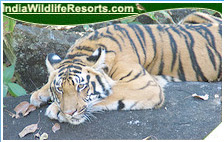 Bandhavgarh National Park: Bandhavgarh National Park is spread at vindhya hills in Madhya Pradesh. Bandhavgarh National Park consists of a core area of 105 sq km and a buffer area of approximately 400 sq km of topography varies between steep ridges, undulating, forest and open meadows. Bandhavgarh National Park is known for the Royal Bengal Tigers. The density of the Tiger population at Bandhavgarh is the highest known in India.
Bandhavgarh National Park was the former hunting preserve of the Maharaja of Rewa and at present is a famous natural hub for White Tigers. White Tigers, now a major attraction around the world's zoos, were first discovered in Rewa, not far from here. The terrain is broken, with rocky hill ranges, running roughly east west, interspersed with grassy swamps and forested valleys. Bandhavgarh National Park is one of the finest national park in the India and has the distinction of harboring the highest concentration of tigers per unit area of forest. The Bandhavgarh National Park is spread over on area of 448 sq km with a cross area of 105 sq km. At the center of the park is the bandhavgarh hill, rising 811 meters above sea level and surrounding it are a sloping valleys, These valleys end in small, swampy meadows locally known as "bohera".
Bandhavgarh was declared a national park in 1968. Since then many steps have been taken to retain Bandhavgarh National Park as an unspoilt national habitat for a variety of wildlife peculiar to the area. These includes gaur (Indian bison), sloth bear, leopard, porcupine, wild boar, sambhar and spotted deer, among others and of course, the tiger.
Day 03 : Bandhavgarh National Park
Morning jeep/Elephant safari to the national park for Tiger tracking. In the afternoon Jeep safari inside park. Overnight stay at jungle lodge.
Day 04 : Bandhavgarh National Park
Morning and evening Jeep/elephant safari to the national park for wildlife viewing. Overnight stay at resort.
Day 05 : Bandhavgarh / Kanha National Park ( 250 km)
Morning after breakfast at the resort drive to Kanha Natioanal Park. On arrival check in at Kipling camp. Overnight at Kipling camp.
Kanha National Park : Kanha's sal and bamboo forests, rolling grasslands and meandering streams stretch over 940 sq km in dramatic natural splendor. This is original Kipling country, of which he wrote so vividly in his Jungle Book. The same abundance of wildlife species exists today in Kanha National Park, which forms the core of the Kanha Tiger Reserve created in 1974 under Project Tiger. The park is the only habitat of the rare hardground barasingha (Cervus Duvaceli Branderi). In the 1930s, the Kanha area was divided into two sanctuaries: Hallon and Banjar, of 250 sq km and 300 sq km each. Though one of these was subsequently disbanded, the area remained a protected one until 1947. Depletion of the tiger population in the years that followed led to the area being made an absolute sanctuary in 1952. By a special statute in 1955, Kanha National Park came into being. Since then, a series of stringent conservation programmes for the protection of the park's flora and fauna has given Kanha its deserved reputation for being one of the finest and best administered National Parks in Asia, an irresistible attraction for all wildlife lovers and a true haven for its animal and avian population.)
Day 06 : Kanha National Park
Morning and evening jeep/elephant safri to the national park. Overnight at kipling camp.
Day 07 : Kanha National Park
Morning and evening jeep/elephant safri to the national park. Overnight at kipling camp.
Day 08 : Kanha National Park - Nagpur (270 km) - Delhi
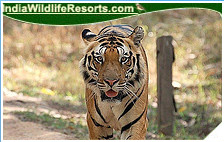 Morning after breakfast at the resort, drive to Nagpur airport to board flight for Delhi. On arrival check in at the hotel. Overnight at hotel.
Day 09 : Departure
Morning after breakfast full day city sightseeing tour Old Delhi & New Delhi.
Old Delhi - the 350-year-old walled city was built by Emperor Shah Jehan in 1648 as his capital. Opposite the fort are the black and white onion dome and minarets of the Jama Masjid, the most elegant mosque in India. Raj Ghat is worth a visit where Mahatma Gandhi was cremated in 1948.
New Delhi - the new capital designed by Sir Edward Lutyens. An interesting drive in the one passing through the impressive Rajpath from the World War I memorial arch, the India Gate towards the Presidential Palace. Visit Humayun's Tomb built in 1565 AD, Safdarjung's Tomb, the Qutub Minar, 72 meters high and the most curious antique, the uncorroded Iron Pillar, which dates back to the 4th century AD.
Late in the evening transfer to the international airport to board the flight for onward destination.
Tour and Services Ends.

Tiger Search in Central India (Tour Highlight )
| Bandhavgarh National Park | Jeep / Elephant Safari in the National Park. |
| Kanha National Park | Jeep / Elephant Safari in the National Park. |
| Delhi | Birla Temple, Humayun’s Tomb, Jama Masjid, Red Fort, India Gate, Parliament House, President House, Qutub Minar. |
Tiger Spotting Tips
Get a Call Back from us
Please provide us your contact number and convenient time, our expert will call back to you.


